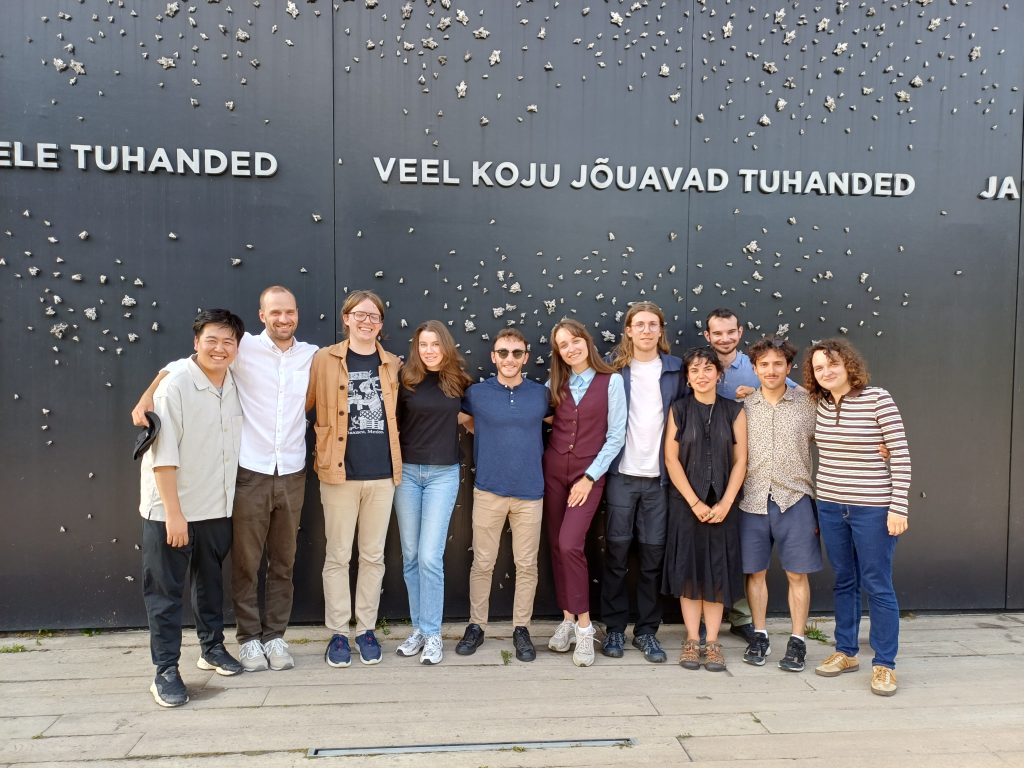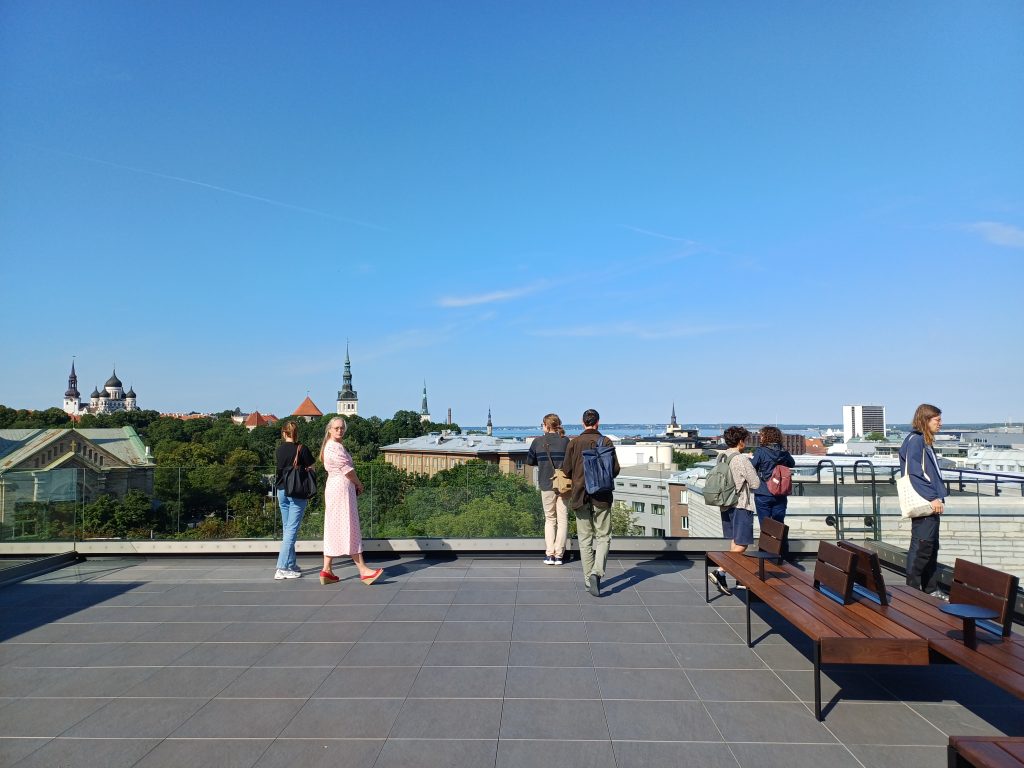

From 27 to 30 July 2026, the Estonian Institute of Historical Memory organised its International Researcher Summer School in Tallinn, Tartu and several other locations across Estonia. The programme brought together ten early-career researchers from Austria, Estonia, France, Germany, Italy, Japan, Ukraine and the United States.
Over four days, the participants explored the twentieth-century history of Estonia and the Baltic states, the Second World War, occupations, political repression, resistance to the Soviet regime, and the legal and terminological questions connected with research into these subjects. The participants also introduced their own research topics and academic interests in a series of short presentations.
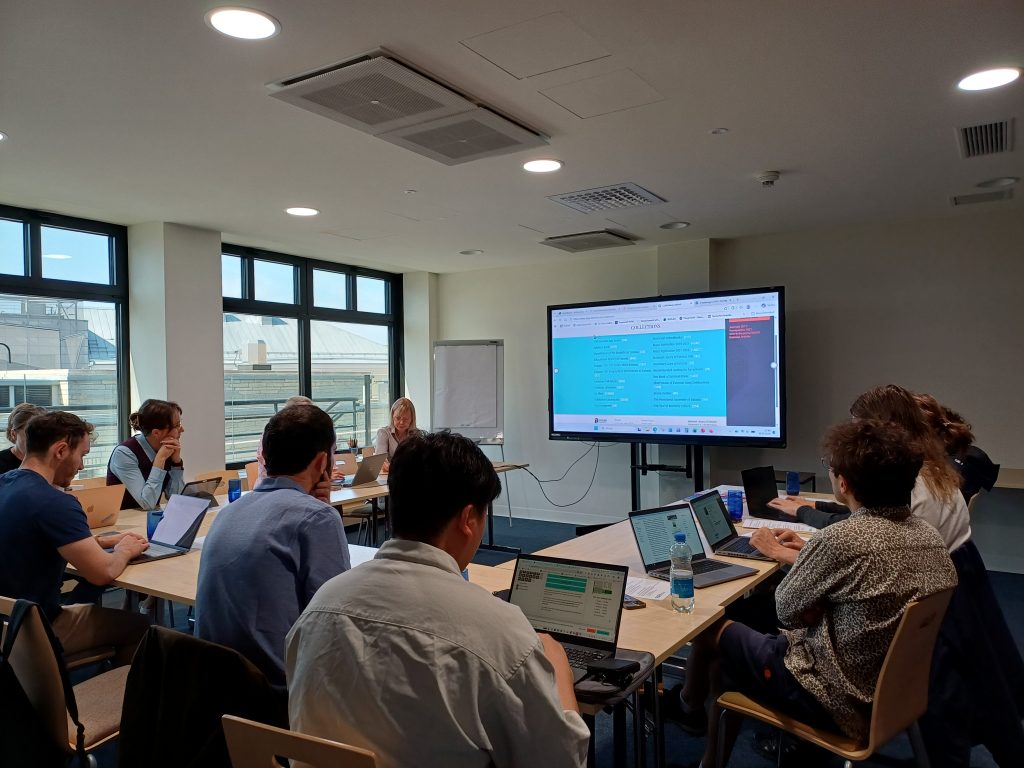
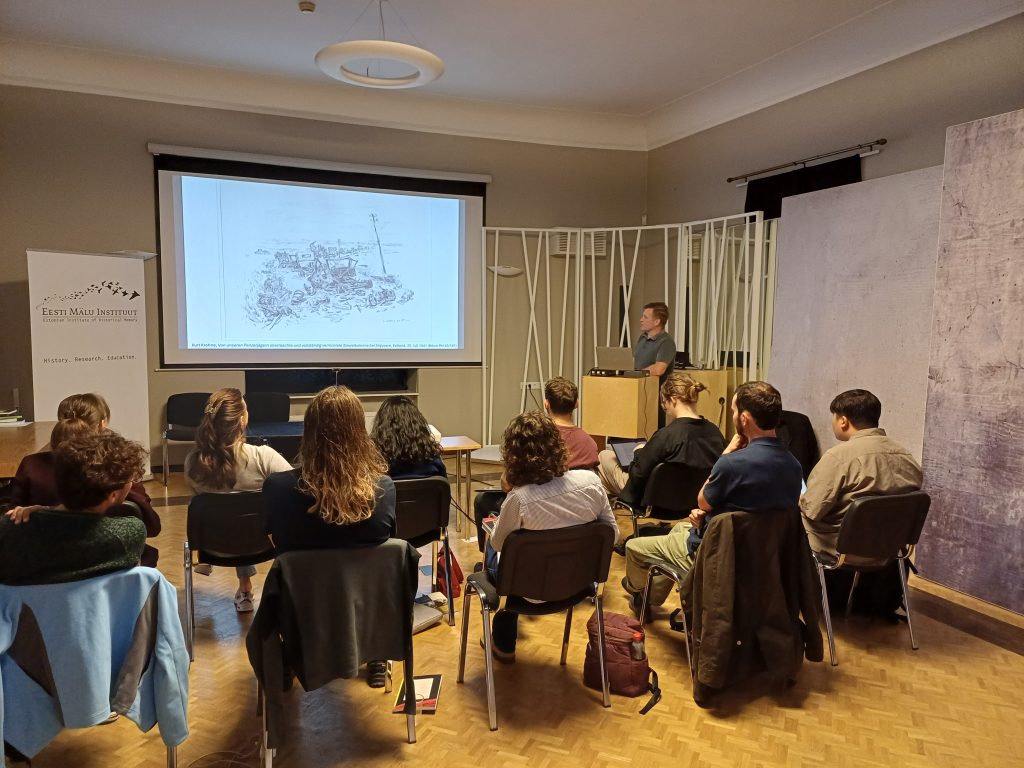
The first day was held at the Estonian Institute of Historical Memory (EIHM) in Tallinn. Senior Researcher of the Institute, Meelis Saueauk presented an overview of interwar Estonia, while Research Director, Toomas Hiio discussed the background to the Second World War, the German–Soviet agreements, Soviet actions against Estonia, the first Soviet occupation, military operations in Estonia, the German occupation and the Holocaust. EIHM Researcher Hiljar Tammela gave a lecture on the Great Escape of 1944.
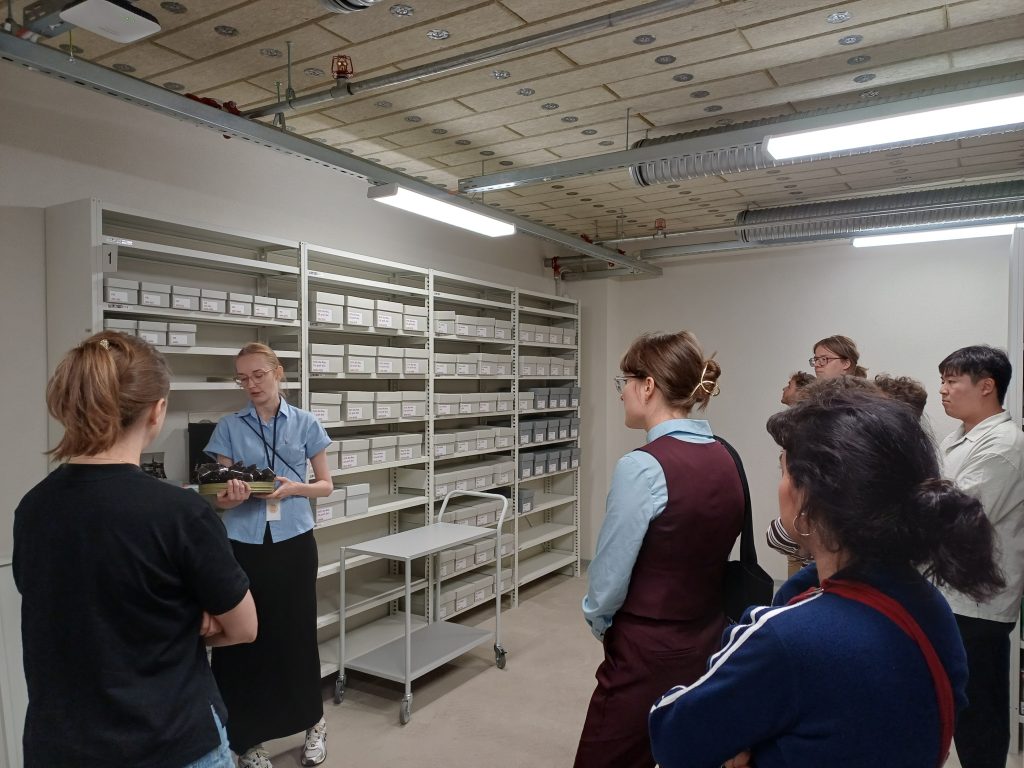
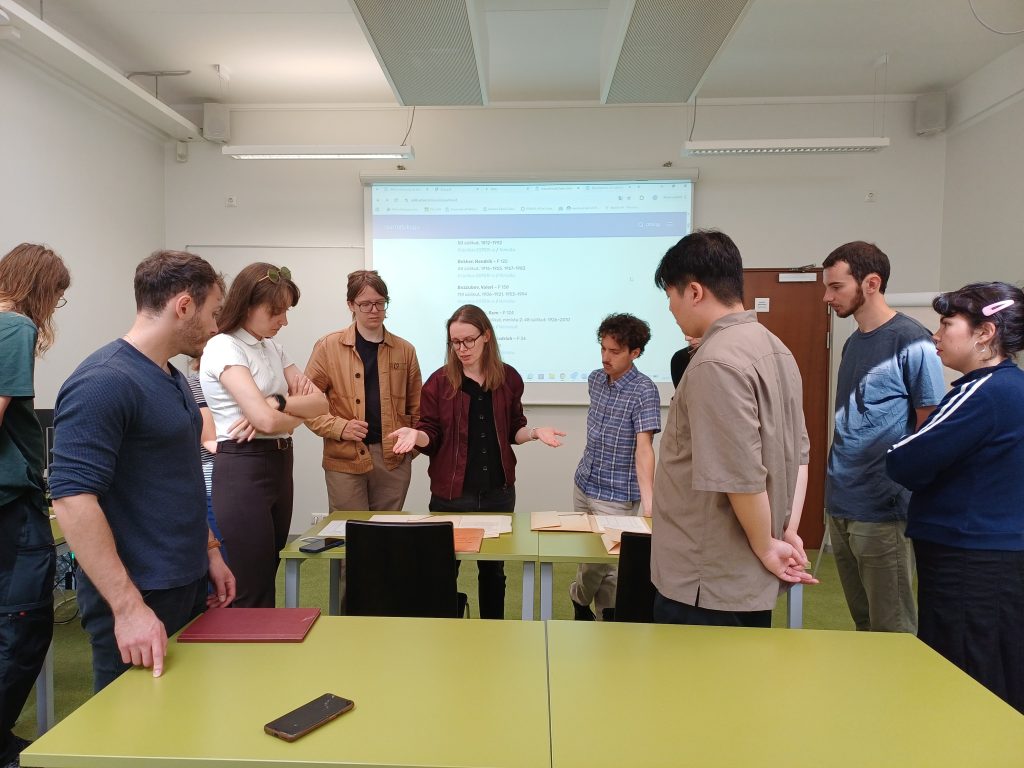
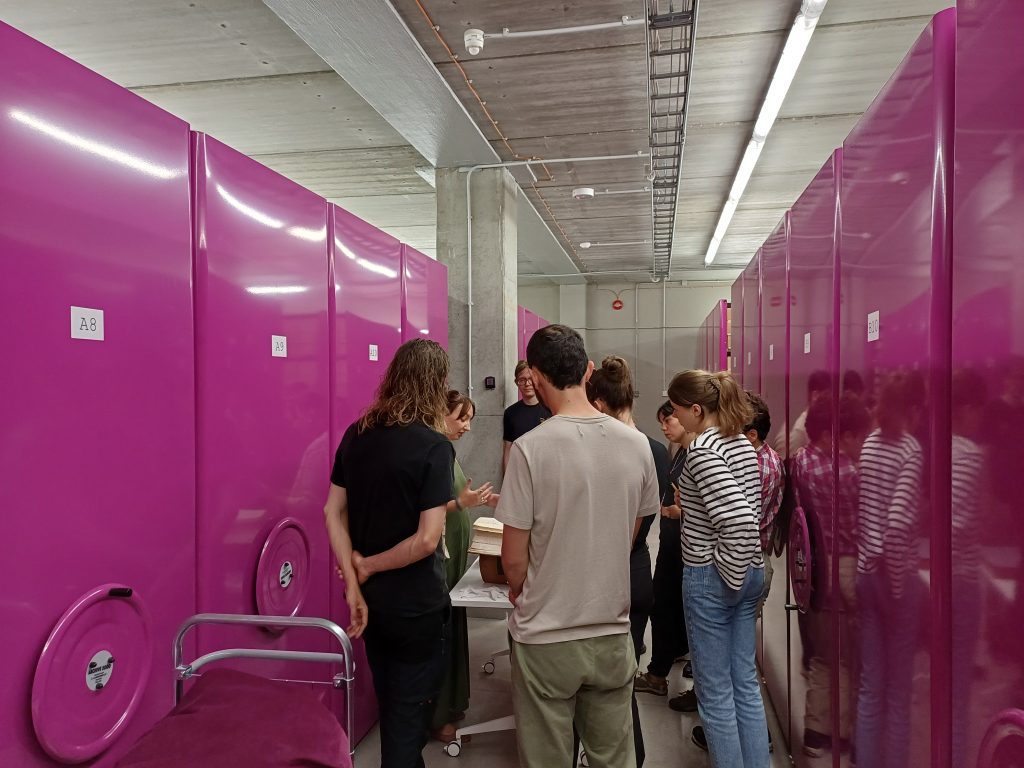
The participants then travelled to Tartu, where they visited the National Archives of Estonia and the University of Tartu Library. At the Ennuksemäe forest brothers’ bunker, EIHM Board Member Martin Andreller led a guided tour and gave a lecture on resistance to the Soviet regime in Estonia.
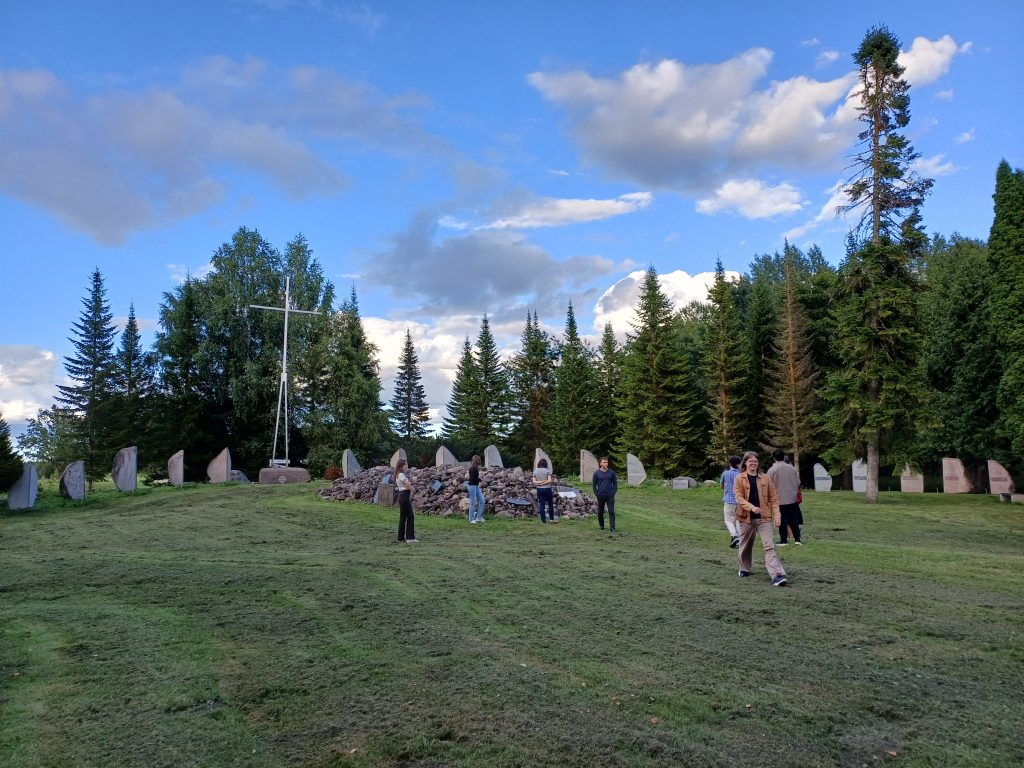
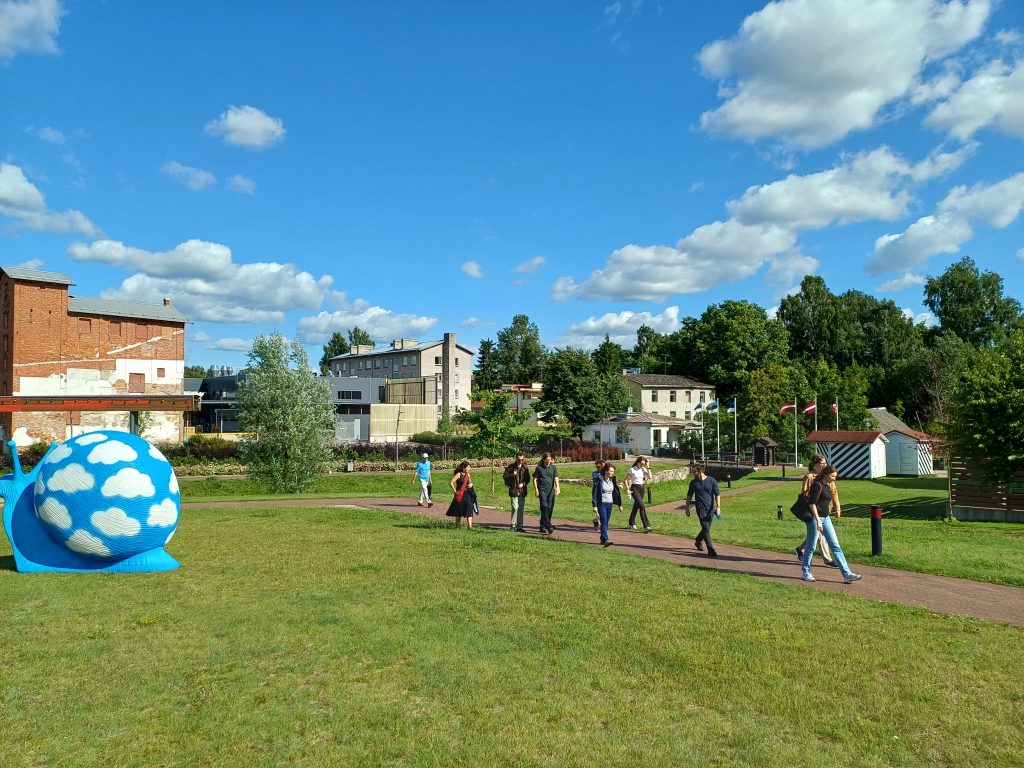
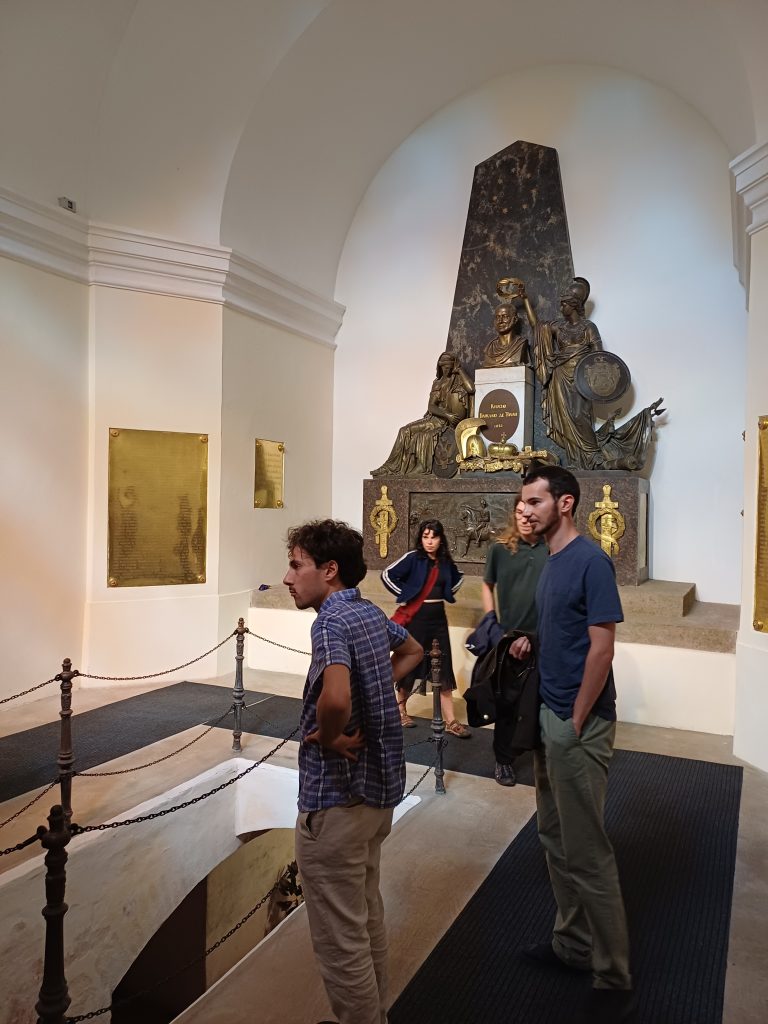
The study trip also included visits to the Barclay de Tolly Mausoleum in Jõgeveste, the twin border towns of Valga in Estonia and Valka in Latvia, as well as Pilistvere Church and the Pilistvere Memorial to the victims of communist genocide. The varied programme introduced the participants to archives, libraries and memory institutions, as well as historically significant sites across Estonia.
On the final day in Tallinn, EIHM Researcher Aivar Niglas discussed terminology related to punishment and repression in the Russian Empire and the Soviet Union. University of Tartu Professor of International Law, Lauri Mälksoo examined the occupation and annexation of the Baltic states from the perspective of international law, including Soviet and Russian approaches to international law. EIHM Kogu Me Lugu (Gather Our Story) Manager Elmar Gams gave an overview of the deportations carried out in the Baltic states and the procedures for releasing deportees.
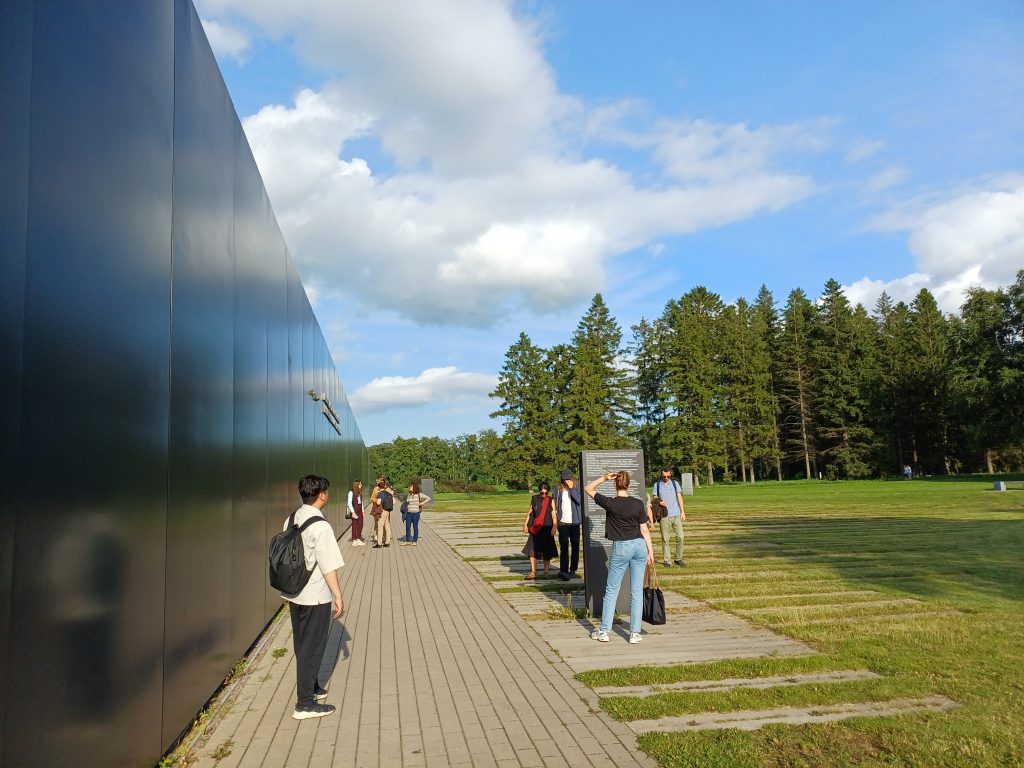
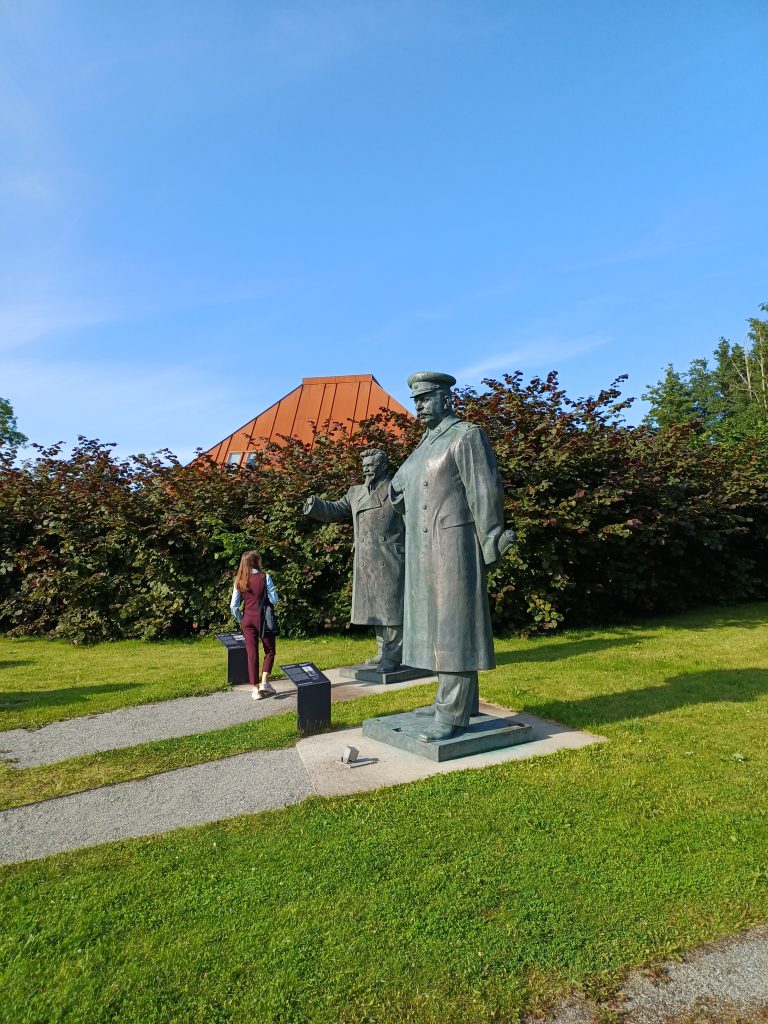
The participants also visited the Endla Street reading room of the National Archives of Estonia and the National Library of Estonia. The summer school concluded with a guided tour of the Memorial to the Victims of Communism at Maarjamäe.
The International Researcher Summer School offered early-career researchers an opportunity to deepen their knowledge of the recent history of Estonia and the Baltic states, become acquainted with Estonian research and memory institutions, and establish professional connections with colleagues from different countries.
Great gratitude goes out to all collaborating institutions, EIHM colleagues and participants for an insightful programme and time!