


The Institute’s research work depicts the birth and spread of communist ideology and its different manifestations as a state ideology as the result of seizing power, as underground subversive activity aimed at the violent seizure of power and the establishment of the so-called dictatorship of the proletariat, and also as legal political activity in democratic societies. The objects of research are the methods of communist propaganda for finding supporters in the era of underground subversive activity as well as in communist regimes, and the means for securing communist rule. An important field of research is the influence of communist ideology and the legacy of the rule of communist regimes in democratic societies in the 21st century.
Proceedings
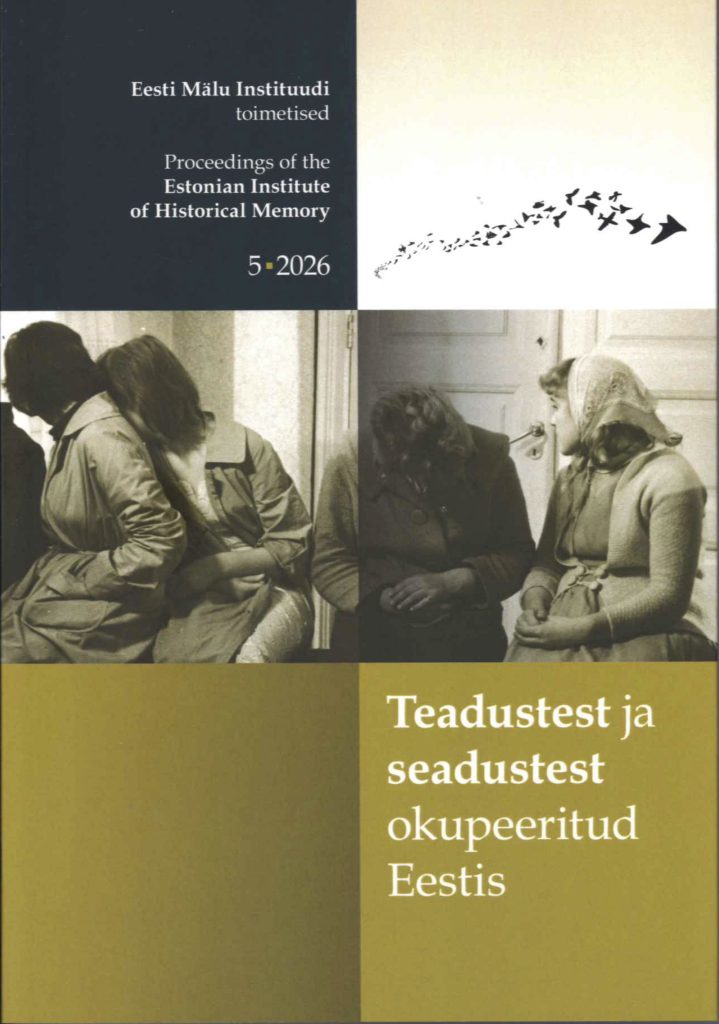
Estonian Institute of Historical Memory Proceedings 5 (2026): Sciences and Laws in Occupied Estonia
Compiled by: Marju Meschin
Editors: Meelis Maripuu, Toomas Hiio
This volume brings together studies examining various aspects of life during the Soviet occupation. The articles also engage with a wide range of academic disciplines, from legal history and sociology to education policy, psychiatry, and the history of medicine.
Read more
Ukrainian historian Olesja Stasjuk examines the continued resistance of Ukrainian freedom fighters in prison camps after the end of Stalin’s rule.
Eli Pilve explores the forced Sovietisation of school education following the occupation of Estonia, from the summer of 1940 to the summer of 1941, as well as the resistance of students, teachers, and parents to these policies.
Liisa Laili studies the political abuse of psychiatry and the isolation or marginalisation of political dissidents from society through diagnoses of so-called sluggish schizophrenia.
Peeter Kaasik provides an overview of Soviet sociology and examines the development of sociological research in the Estonian SSR from the 1960s to the 1980s.
Aivar Niglas contributes an extensive study of the terminology used for different forms of punishment by exile in the legislation of Imperial Russia and the Soviet Union, as well as the nature of exile as a form of punishment and its relationship to other types of penal sanctions.
University of Tartu Press, 2026, 272 pp. The collection of articles is available in Estonian and English from the University of Tartu Press.
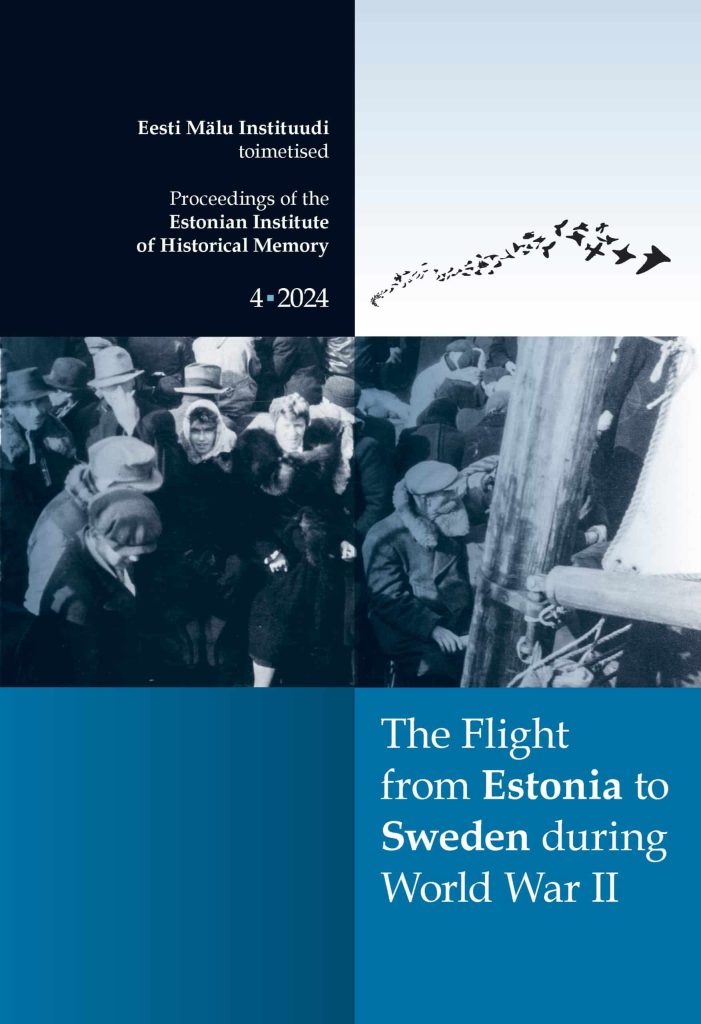
Proceedings of the Estonian Institute of Historical Memory 4 (2024): The Flight from Estonia to Sweden during World War II
Ed. Hiljar Tammela, Meelis Maripuu
An estimated 70,000–80,000 people fled to the West from Estonia in the Second World War years, making it one of the largest waves of migration and one of the most important events of Estonian recent history, directly affecting the destinies of very many people. Regarding this exodus, few traditional archival sources (lists of people departing and arriving) are available, as people mostly fled in secret on the basis of oral agreements and under conditions of immediate danger. The flight has been researched for decades relying primarily on memoirs, which provide an excellent overview of the escape journey of an individual or a family, but it is difficult to put an overall picture together out of such memories.
Read more
The seven articles in this collected work present new information, which largely originates from archival sources located outside of Estonia. Some of it has become freely accessible only in recent years. The authors shed light on various aspects of the great exodus, examining among other things the reception of and policies towards Estonian refugees in neighbouring Finland and Sweden. This is the first collection of research articles dedicated to the theme of flight from Estonia to Sweden during the Second World War.
Tartu University Press, 2024, 320 pp. The publication is available at Tartu University Press.
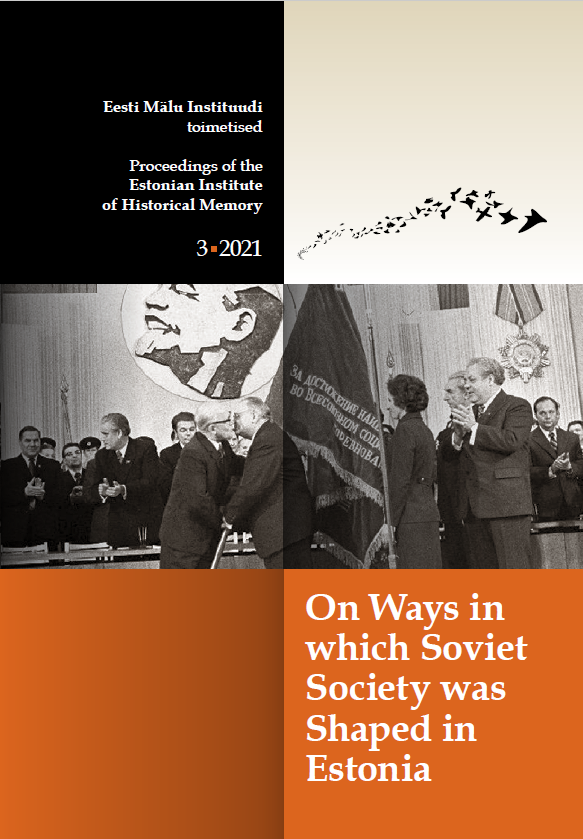
Proceedings of the Estonian Institute of Historical Memory 3 (2021): Propaganda, Immigration, and Monuments. Perspectives on Methods Used to Entrench Soviet Power in Estonia in the 1950s-1980s
Ed. Meelis Saueauk and Meelis Maripuu
The 3rd edition of the Proceedings of the Estonian Institute of Historical Memory examines various methods used in establishing and shaping the Soviet social order, including information and migration policy, putting together a pseudo-assembly of people’s representatives, and propaganda in memory politics.
Read more
The latter manifested in the destruction of monuments from the period of Estonian independence and in the erection of new monuments. The selection of articles examines the inner workings of the Soviet regime’s ideological manipulation, an inseparable part of which was the demolition of the social structure and consciousness of Estonia’s independence period, and replacing it with a social order shaped in the spirit of Soviet doctrines.
Tartu University Press, 2022, 282 pp.
The publication is available at Tartu University Press.
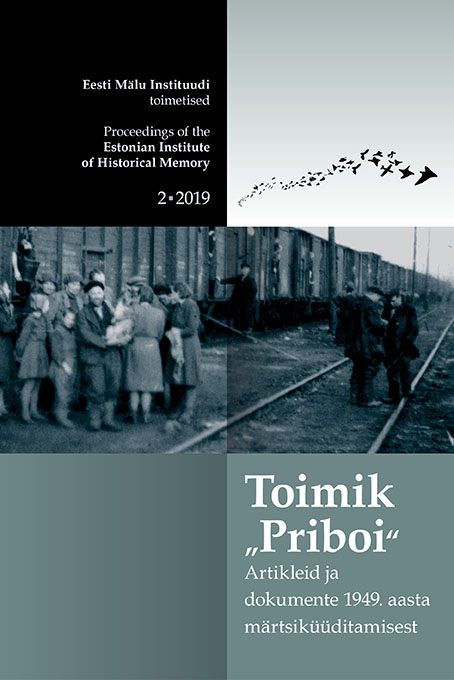
Proceedings of the Estonian Institute of Historical Memory 2 (2019): “Priboi” Files: Articles and Documents of the March Deportation of 1949
Ed. Meelis Saueauk and Meelis Maripuu
The March deportation, or Operation Priboi, was USSR’s most extensive deportation operation of the post-war years, affecting all three Baltic states. The aim of the operation was to eliminate resistance to collectivisation in rural areas.
Read more
The book contains a complete Estonian translation of the Estonian SSR’s Ministry of National Security’s “Priboi” file, as well as other documents related to the operation. The book also includes seven academic articles that examine various aspects of the March deportation.
Tartu: Tartu University Press, 2020, 536 pp.
Publication is available at Tartu University Press.
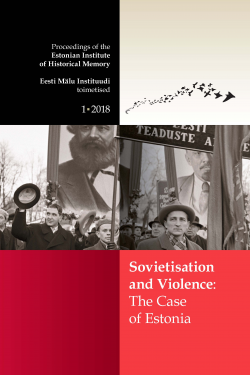
Proceedings of the Estonian Institute of Historical Memory 1 (2018) = Eesti Mälu Instituudi toimetised 1 (2018): Sovetisation and Violence: The Case of Estonia.
Ed. Meelis Saueauk and Toomas Hiio
A collection of articles by the members of the Institute’s research team and historians associated with the Institute. The book focuses primarily on the most violent period of the era of Soviet occupation, i.e. the second half of the 1940s and the early 1950s. The articles examine political terror, the policies of the Soviet Union and some theoretical issues.
Tartu University Press, 2018, 336 pp. Publication is available at Tartu University Press.
Other publications
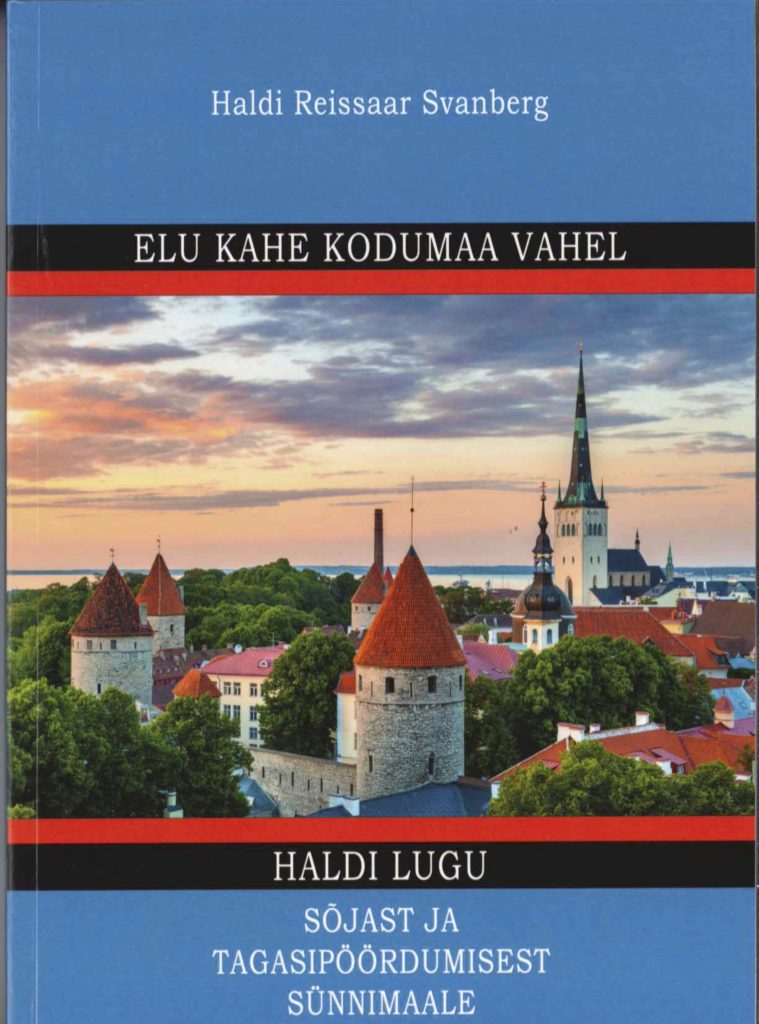
A Life Between Two Homelands: Haldi’s Story of War and Returning to the Land of Her Birth
Haldi Reissaar Svanberg
Editor: Olev Liivik
The book tells the remarkable story of Haldi Reissaar Svanberg’s search for identity. Haldi was only five years old when Estonia was caught up in the turmoil of the Second World War, leaving her family with no choice but to flee their homeland.
Read more
These deeply personal memoirs describe her family’s escape, the hardships they endured in various refugee camps across Europe, and the challenges of adapting to a new life in the United States. Echoing the universal story of new opportunities in a new country, Haldi recounts her experiences of pursuing an education, building a career, and starting a family of her own.
Having largely lost touch with her past, she began to long for the homeland of her childhood, which seemed to have been lost forever under nearly fifty years of Soviet occupation. Only after Estonia restored its independence in 1991 and Haldi was able to return did she discover what it truly means to have a homeland—or, in her case, to be fortunate enough to have two.
Estonian Institute of Historical Memory, 2026, 307 pp.
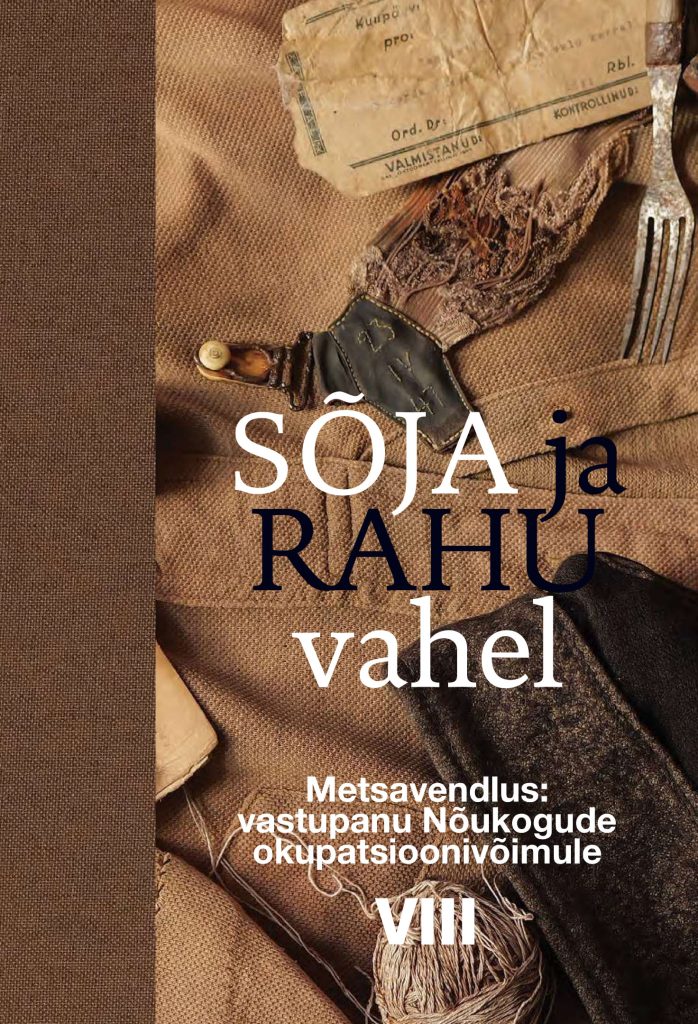
Forest Brothers: Resistance to the Soviet Occupation Authorities
Compiled by: Peeter Kaasik
Published jointly by the Estonian Institute of Historical Memory and the Estonian War Museum, Forest Brothers: Resistance to the Soviet Occupation Authorities is Volume VIII of the series Between War and Peace. The book is also part of the Estonian War Museum’s proceedings series.
Read more
Written by nine authors, the volume brings together for the first time a broader, comprehensive account of the history of the Forest Brothers in Estonia, placing the armed resistance within the wider security-policy context of occupied Estonia.
The book provides an overview of the conditions that gave rise to the Forest Brothers movement and efforts to organise it, the measures taken by the Soviet occupation authorities to suppress the resistance, support from the home front, and the methods used by the Forest Brothers to remain in hiding.
Estonian Institute of Historical Memory; Estonian War Museum – General Laidoner Museum, 2026, 567 pp.
The book is also available from the Estonian War Museum shop and in well-stocked bookstores.
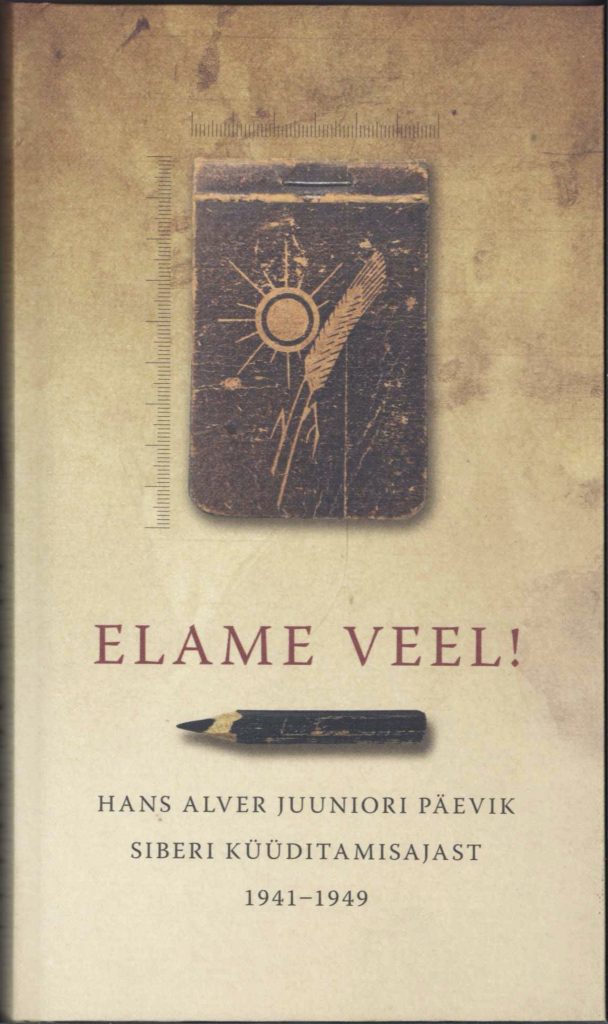
“We’re Still Alive! The Diary of Hans Alver Jr. from the Years of Deportation in Siberia, 1941–1949”
Compiled and edited by: Olev Liivik
We’re Still Alive! is a rare personal testimony of the June 1941 deportation and the years of forced settlement that followed. At the heart of the book is the diary of Hans Alver Jr., son of Haapsalu mayor Hans Alver, documenting the Alver family’s life in Kirov Oblast, Western Siberia, and Northern Kazakhstan between 1941 and 1949.
Read more
Hans Alver Jr.’s notes provide a vivid, first-hand account of the deportees’ everyday lives, hardships, and adaptation to life far from home. The diary is complemented by the author’s drawings of the places where the family lived and their surroundings, as well as photographs, documents, and sketches from the family archive and the Haapsalu museum collection.
The diary came to light only after Hans Alver Jr.’s death and was published in 2025 with the support of the Estonian Institute of Historical Memory.
Estonian Institute of Historical Memory, 2025, 256 pp., hardcover
ISBN: 978-9916-4-3035-4
The book is available from well-stocked bookstores and from the Estonian Institute of Historical Memory. Click here to order.
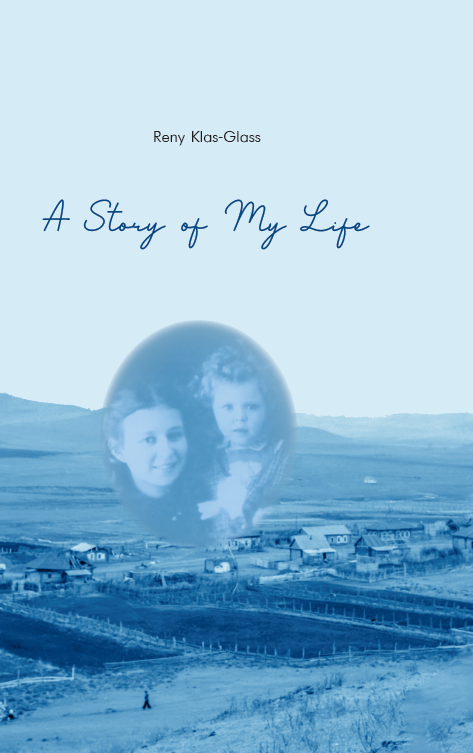
A Story of my Life
Reny Klas-Glass
Estonian-born Jew Reny Klas-Glass (1911–2006) returned to Tallinn from Berlin in the late 1930s, in order to escape anti-Jewish terror. Unknowingly, she fell victim to communist terror and was deported from Estonia during the June deportation of 1941. She was released from settlement after Stalin’s death in 1955. The memoirs of Reny Klas-Glass have been noted down based on her stories about the deportation of 1941 and a short period of settlement in summer and autumn of 1941. The book was published with the support of the Embassy of Germany in Estonia and is available here.
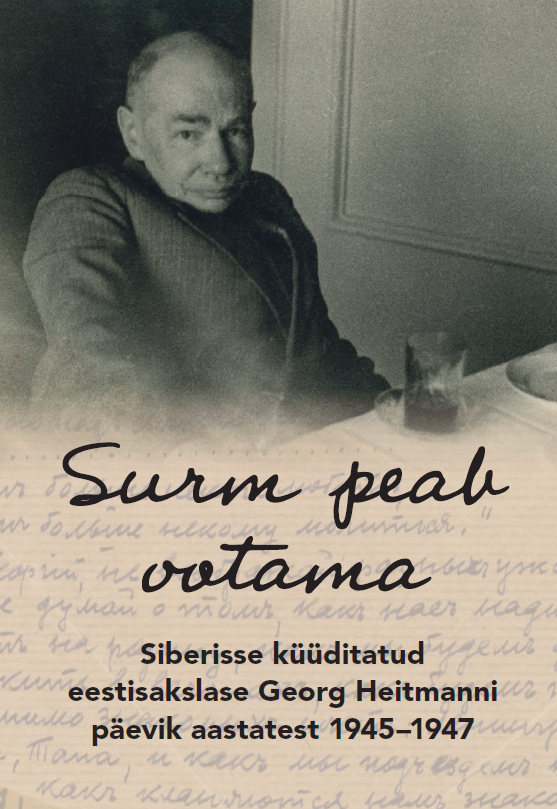
Death must wait. Georg Heitmann’s diary from 1945–1947
Compiled by Olev Liivik
Georg Heitmann’s (1875–1955) diary tells the author’s story about his life and deportation in 1945. The diary ended up in Estonia when he fled in 1947. Heitmann’s grandchild Inna-Maia Paiken gave the diary to the Estonian Institute of Historical Memory in 2019, and the book has now been published in Estonian. The book can be purchased here.
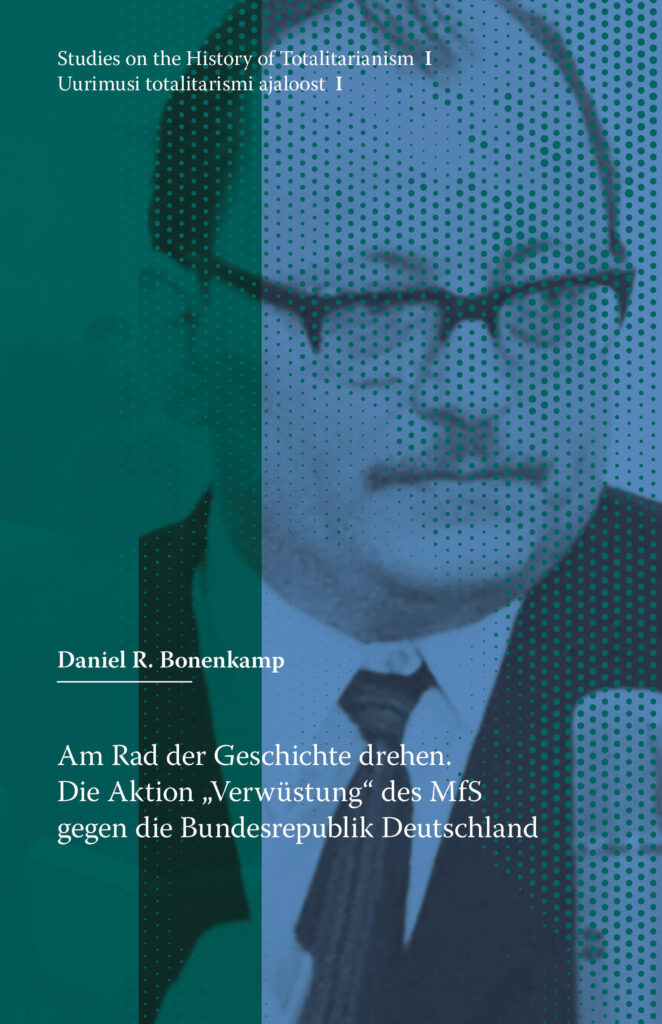
Am Rad der Geschichte drehen. Die Aktion „Verwüstung“ des MfS gegen die Bundesrepublik Deutchland
Daniel R. Bonenkamp
The book’s manuscript was the 2021 winner of the Estonian Institute of Historical Memory’s international research competition in the category of unpublished papers. The book has been published in cooperation with University of Tartu Press as the first book in the Institute’s new scholarly series Studies on the history of totalitarianism.
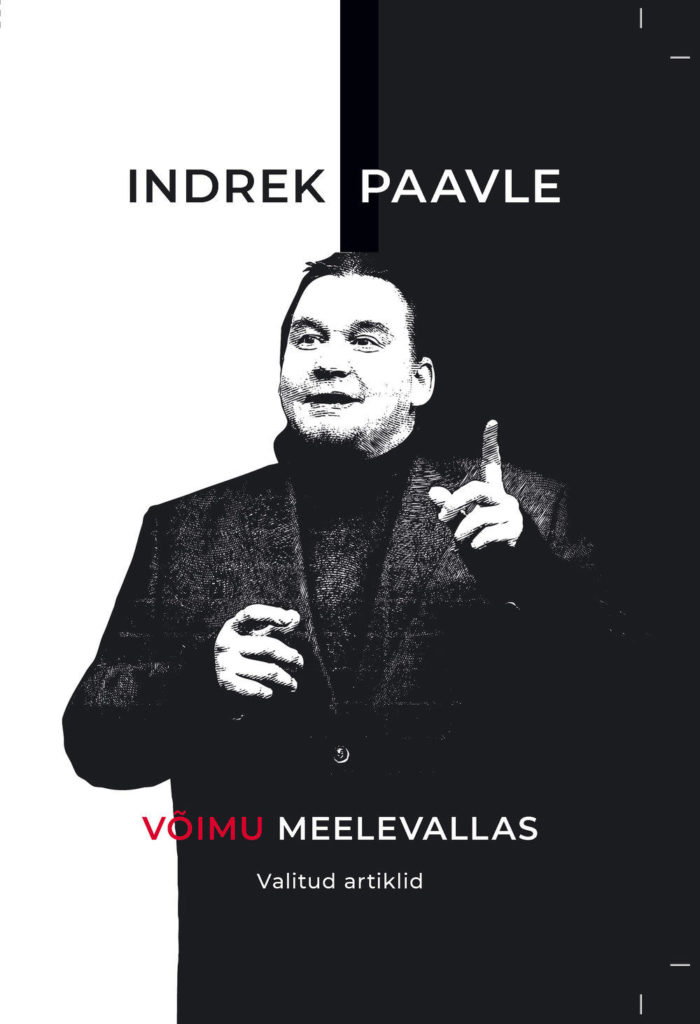
Indrek Paavle. At the Will of Power. Selected articles
Indrek Paavle (1970-2015) was one of Estonia’s most prominent historians, who tragically perished in 2015. Paavle’s good friends and colleagues have collected 22 of his academic and popular writings from 1996 to 2015 into a memorial collection.
Read more
The latter form the most important and best part of his research. The book also contains new material for Estonian readers, as some studies that were first published in English, have now been republished according to Estonian manuscripts.
The collection is helpful for historians as well as for anyone interested in recent Estonian history.
The book can be purchased online from the National Archives of Estonia, Apollo and Rahva Raamat.
National Archives of Estonia, Tartu, 2020, 711 p.
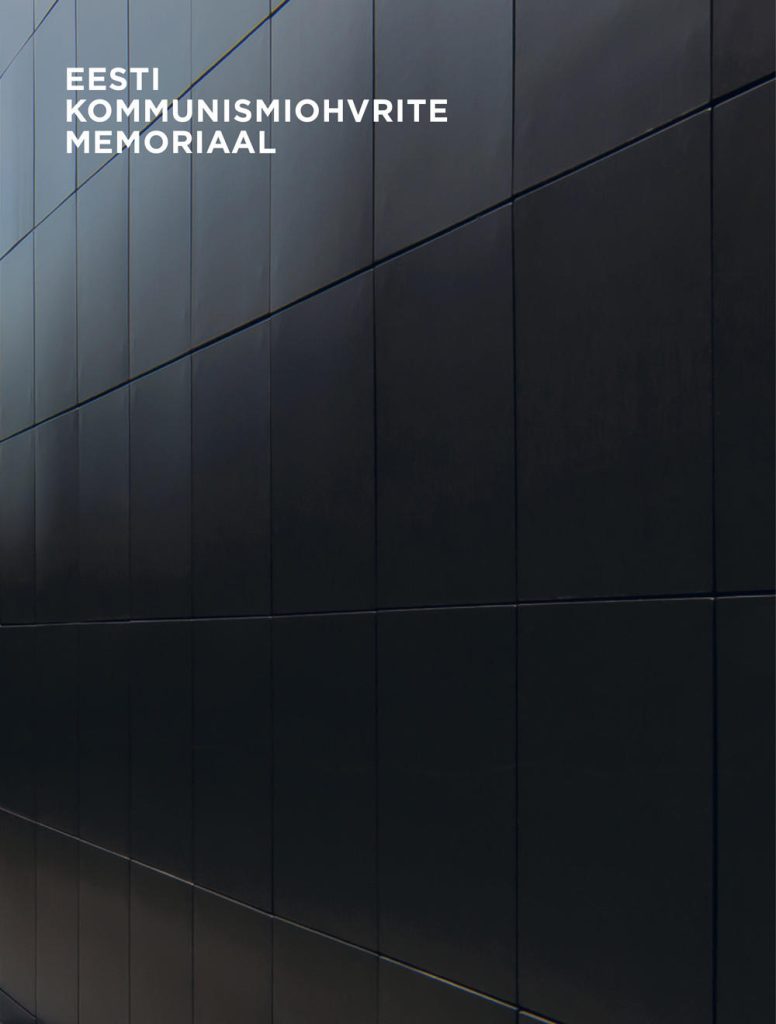
Memorial to the Victims of Communism
On 23 August 2018, the memorial to the victims of communism was opened in Maarjamäe, Tallinn, merging memories, history and architecture. In two years it has become an inseparable part of our commemoration culture. The memorial received the Structure of the Year award in 2019 as well as the Good Public Space award from the Cultural Endowment of Estonia.
Read more
The richly illustrated album features various views of the memorial, taken by photographer Arne Maasik. The book also gives a short overview of the crimes committed by the communist regime in Estonia as well as of the development of Maarjamäe commemoration area.
The album is available in Rahva Raamat.
Estonian Institute of Historical Memory, 2020, 96 p.
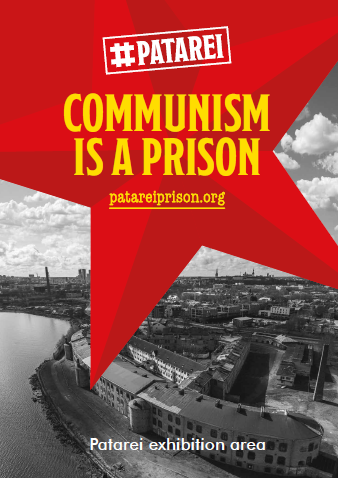
Communism is a Prison. Patarei exhibition area
The communist Soviet Union (in Estonia 1940-1941, 1944-1991) imprisoned innocent people on ideological grounds in the historic Patarei fortress. Patarei is one of hundreds of such places around the world. The exhibition area “Communism is Prison” introduces totalitarian ideology and its implementation, warns against the dangerousness of such ideas and reminds us of the value of human dignity and freedom.
The booklet is available at the Patarei prison exhibition area.
Estonian Institute of Historical Memory: 2020, 41 p.
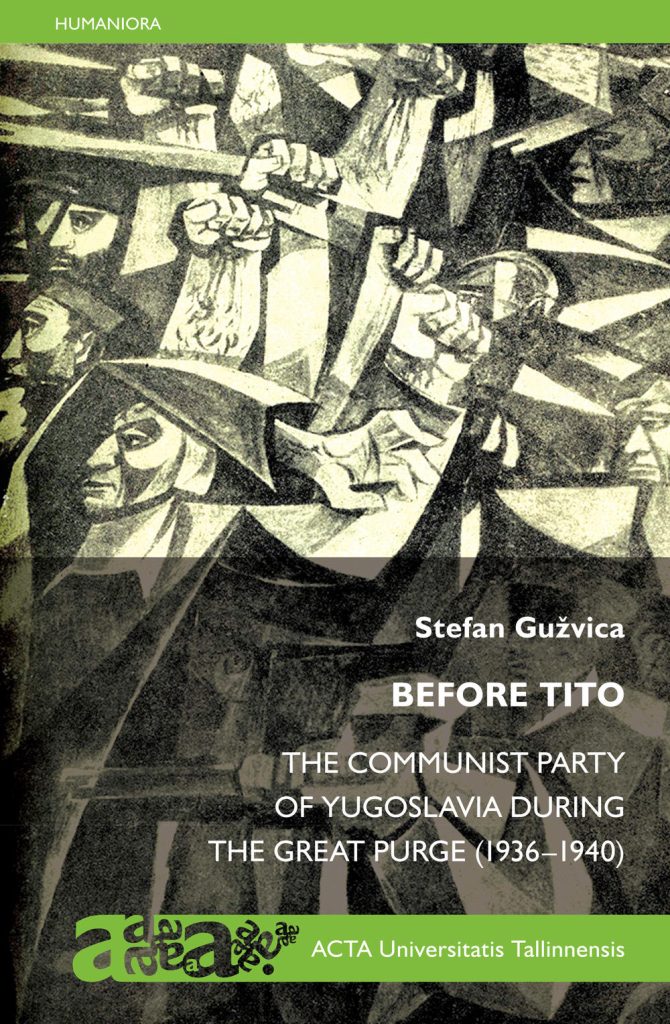
Before Tito: The Communist Party of Yugoslavia during the Great Purge (1936–1940)
Author: Stefan Gužvica
The manuscript won the Estonian Institute of Historical Memory’s international research competition in 2018 in the category of unpublished works and was released in cooperation with Tallinn University Press in the series ACTA Universitatis Tallinnensis.
The publication is available at Tallinn University Press.
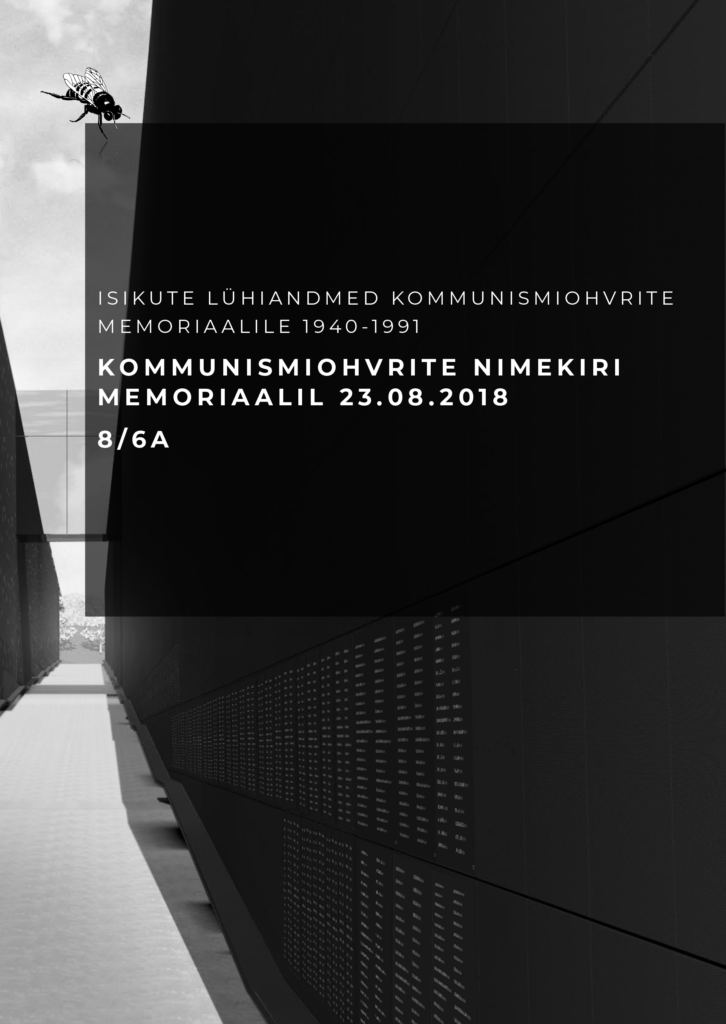
Brief Biographical Details of Individuals Commemorated at the Estonian Victims of Communism Memorial, 1940–1991: List of Victims of Communism at the Memorial, 23 August 2018
Ed. Meelis Maripuu
Tallinn: Eesti Represseeritute Registri Büroo; Eesti Mälu Instituut, 2018, 240 pp. Publication is not available.
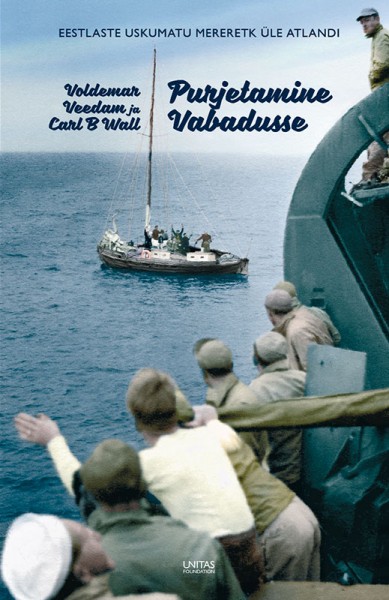
Sailing to Freedom: Estonians’ Incredible Voyage Across the Atlantic
Author: Voldemar Veedam.
Tallinn: Unitas; Eesti Mälu Instituut, 2017, 333 pp.
Publication is available in Apollo and Rahva Raamat.
Historical memory versus communist identity: proceedings of the conference “The shaping of identity and personality under communist rule : history in the service of totalitarian regimes in Eastern Europe”, Tallinn, 9-10 June 2011.
Edited by Meelis Saueauk
Tartu: University of Tartu Press, 2014, 164 pp.
Book is available at OAPEN.
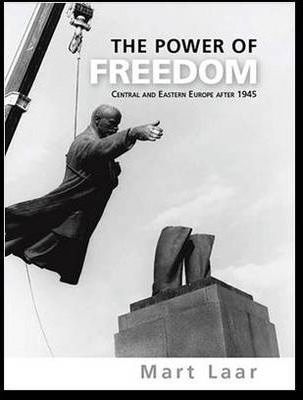
The power of freedom: Central and Eastern Europe after 1945
Author: Mart Laar
Tallinn: Sihtasutus Unitas, 2010, 272 pp.
E-publication available in Rahva Raamat and Amazon.
Reports of the Estonian International Commission (Max Jakobson Commission) for the Investigation of Crimes Against Humanity
Estonia since 1944: reports of the Estonian International Commission for the Investigation of Crimes Against Humanity.
Edited by Toomas Hiio, Meelis Maripuu, Indrek Paavle
Tallinn: Inimsusevastaste Kuritegude Uurimise Eesti Sihtasutus, 2009, 718 pp.
Publication available at the Estonian Institute of Historical Memory.
Estonia 1940-1945: reports of the Estonian International Commission for the Investigation of Crimes Against Humanity
Edited by Toomas Hiio, Meelis Maripuu and Indrek Paavle
Tallinn: Inimsusevastaste Kuritegude Uurimise Eesti Sihtasutus, 2006, 1337 pp.
Publication available at the Estonian Institute of Historical Memory and online.
Articles
- Hiio, Toomas About the Crimes Committed by the Totalitarian Regimes in Estonia, APPENDIX
- Hiio, Toomas Tallinn and Tatarbunary: attempted invasions 90 years ago
- Hiio, Toomas About History, Us and Ukraine
- Kaasik, Peeter On the Attitudes of Residents of the Estonian SSR in State Security and Communist Party Reports in the Post-Stalinist Era
- Maripuu, Meelis Cold War show trials in Estonia: Justice and propaganda in the balance
- Liivik, Olev Formation of the Supreme Soviet of the ESSR
- Paavle, Indrek The evolution, regulation and implementation of the Soviet internal passport system in the Estonian SSR
- Paavle, Indrek The evolution, regulation and implementation of the Soviet internal passport system in the Estonian SSR, Part II
- Paavle, Indrek Regulation and control of the Border Regime in the Estonian SSR
- Pilve, Eli Ideological education at late-stalinist Estonian SSR schools
- Remmel, Atko Believers, Human Rights and Freedom of Speech in Soviet Estonia
- Saueauk, Meelis About the “Power vertical” in the Estonian SSR 1940-1991
Databases
- EMMA, the Estonian Memorial & Migration Dataset
EMMA brings together information on approximately 175,000 people connected to Estonia, including around 70,000 wartime refugees and 90,000 victims of Soviet occupation and repression. Drawing on archival records and published sources, the dataset makes it possible to search for individual names, life stories and fates. EMMA is freely accessible to everyone. - Memorial to Estonia’s Victims of Communism 1940-1991 – database. People who have been extrajudicially repressed or groundlessly convicted by the Soviet occupying regime in 1940-1991 and are subject to rehabilitation according to the act of the Republic of Estonia concerning the rehabilitation of persons who have been extrajudicially repressed and groundlessly convicted are entered in this database. Additionally, the database includes: persons who perished directly in the course of communist terror; sufferers who were released from imprisonment or exile; persons who were on the lists to be deported but who were not deported, and persons whose fate is unknown.
- Kommunismipärand Eestis – digiarhiiv. This digital archive contains material on the communist heritage from the Archives of the Heritage Society of Estonia and materials related to the communist period from the Estonian War Museum, which includes various documents and audio files. In order to simplify the research, a list of all sources and a manual of the materials of the Estonian Heritage Society are available.
- A database of Estonians in German concentration camps. A database on Estonian residents that were sent to concentration camps in Germany and occupied Poland during World War II between 1941 and 1944. The University of Tartu’s Institute of History and Archaeology and the Estonian Institute of Historical Memory started working on the database in 2007-2008. The work was completed in 2013-2014 by the Estonian Institute of Historical Memory. The completed database contains information found in the National Archives of Estonia, the Stutthof concentration camp archive, and the International Tracing Service. The research was supported by the Ministry of Education and Research and the National Archives of Estonia in the framework of the Compatriots’ scholarship programme.